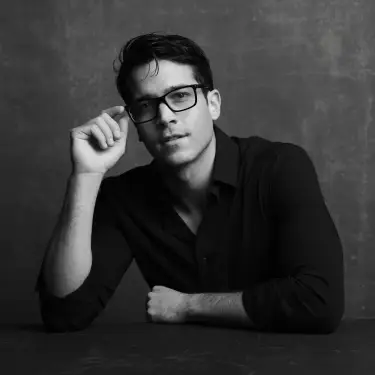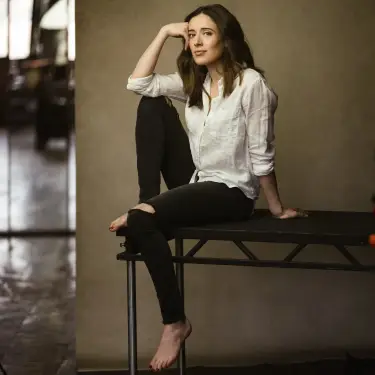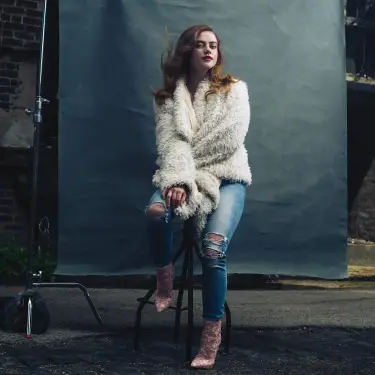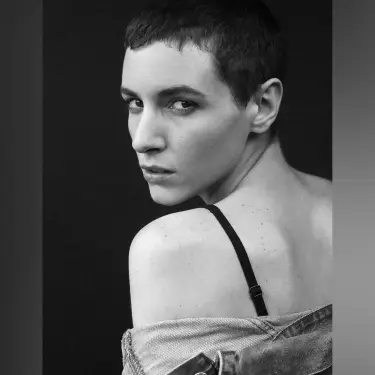
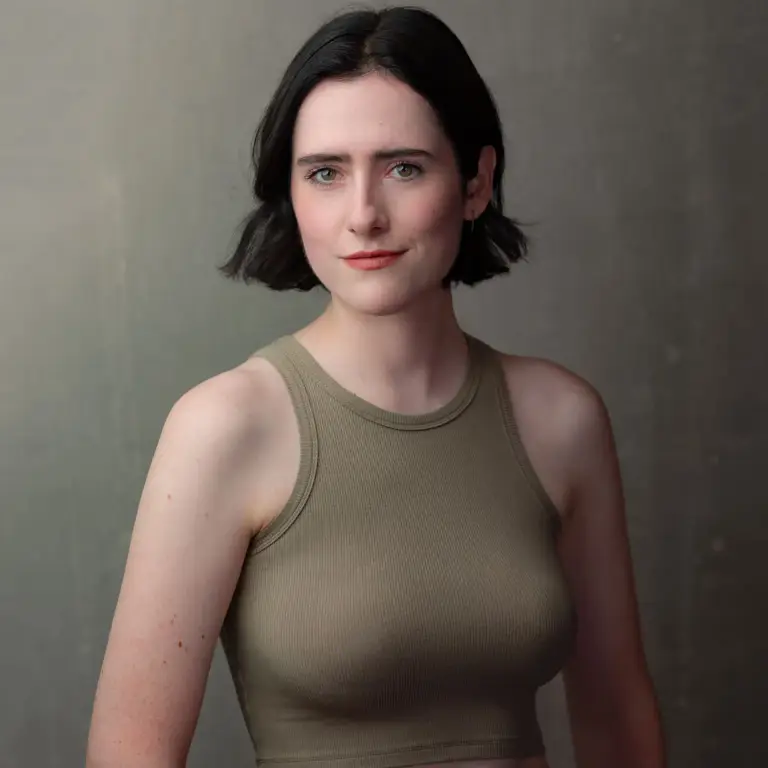
Photo: Michael Schacht / 312 Elements
How Do I Get a Headshot for Acting?
Seven steps from "I need a headshot" to uploading it to Actors Access
This image is available for editorial use with photo credit and a link back to this page. For commercial licensing, please contact us.
Photo: <a href="https://312elements.com">312 Elements Headshot Photography</a>7 steps to an acting headshot
To get a headshot for acting, make sure you actually need one and know your casting type, choose a photographer whose work and personality you like, schedule a session you can give a whole day to, plan wardrobe around your type, take your time on selections, keep retouching light, and upload the web-resolution files. Chicago headshot photographer Michael Schacht walks through each step below.
Getting a headshot for acting is less about the day of the shoot than everything around it. I've photographed more than 10,000 people over 17 years in Chicago, a lot of them working actors, and in my experience the sessions that disappoint are usually decided before anyone walks into the studio: the wrong photographer, the wrong day, the wrong wardrobe, or an actor who hasn't figured out what they're being cast as. These are the seven steps I walk actors through, from deciding whether you need a headshot at all to getting the right file onto Actors Access.
1. Make sure you need a headshot
Do you really need a headshot at all? Are you ready for one? Are you new, or are you updating? Has anyone asked you for a headshot yet? I ask because agencies sometimes have specific requirements. If you're trying to get in with a particular agency, look at their roster to see what kind of shots their talent uses; it's a great way to learn what they like. You could even ask them for headshot photographer recommendations. It starts a conversation without asking them to commit to a meeting, which makes it an easy thing for them to say yes to. If you're already represented and experienced, you likely know exactly what you need. If you're not ready to seek representation, I might argue you're not ready for a headshot either, and you should save your money. When I talk to new actors, one of my first questions is always about casting and character types. If they can't tell me their type, or they tell me they haven't given it much thought, I usually tell them I'm not a good fit. I'm not trying to be mean; I just don't think they're ready. Your type is the foundation everything else is built on: the wardrobe, the expression, the lighting, and which images you end up submitting.
2. Find the right photographer
Once you know you need a headshot, and maybe what your target agency wants, it's time to find the right photographer. Easier said than done. A photo shoot is a lot like improv: there's a lot of "yes, and…" Because it's a partnership, you have to genuinely like and enjoy spending time with your photographer. I'm an acquired taste. We all are, and it's not one size fits all. You have to like their work, you have to enjoy working with them, and you have to be willing to follow their direction, or you likely won't have a positive experience. That holds whether you're booking theatrical, commercial, or improv headshots. The biggest mistake I see happens right here: choosing a photographer you don't feel comfortable being vulnerable with. If you're not connecting with your photographer, it shows in every frame. Look at their portfolio for actors who look like working actors, not just attractive people, and talk to them before you book. A free consultation is the easiest way to find out whether you click.
3. Schedule your session, and don't rush it
This sounds easy, but coordinating schedules can be hard, and it isn't something you want to rush. Choose a day you can dedicate completely to the shoot, and make sure it doesn't follow a busy one. I remember an actor who flew in from Detroit to work with me. He was trying to save money, so he caught a red-eye, slept a little on the plane, grabbed some breakfast, and showed up at the studio a hot mess, all to save a few bucks on the flight and avoid a night in a hotel. I felt horrible, but there wasn't much I could do other than try my best, and that's what we did. He came back about 18 months later and did it all differently. He drove instead of flying and made it a three-day trip instead of a quick in-and-out, and the results were noticeably better. Every photographer tells you to drink plenty of water and get a good night's sleep before your session. Yes, that's all important. The point is to leave the stress at home. Plan on two to two and a half hours for the session itself, with about 90 minutes of actual shooting.
4. Plan your wardrobe around your type
Plan your wardrobe. Do not wing it! I encourage all of my clients to text me what they're planning to bring so we can talk about it ahead of time. Your wardrobe should connect directly to your type. The leading man doesn't dress like the villain. The tomboy has a different vibe than the ingénue, and wardrobe helps tell that story. This is why I won't work with actors who don't understand their type: I'm focused on creating positive outcomes, and we can't do that without a clear goal. Think in looks, not outfits. A look is wardrobe, styling, lighting, and background pointed at one casting direction; swapping a shirt without changing the intent is the same look in a different shirt. Most people comfortably get through about four looks, so bring more options than that and we'll choose the strongest ones together. Reference images help too: screenshots, a Pinterest board, a magazine spread.
5. Take your time with selections
I wouldn't hire a photographer who pressured me into choosing images the same day as the session. There's no need for it. Talk to your agent. Talk to a trusted friend in the industry. As a professional courtesy, I always give my clients a list of my top 10 favorite shots from the session. You'll have my opinion on the strongest frames, but the final call is yours, and people's picks surprise me all the time. That's how it should be.
6. Go easy on the retouching
You don't want your photographer disguising your look. You have to actually look like the person in the photo, or you'll never get hired. Ask me how I know… Seriously, though: for actors especially, retouching is for temporary problems and subtle enhancement. Your photographer will likely bend over backwards to make you happy, so don't force their hand into helping you make a bad decision. They're the professional, and you chose them for a reason. When it comes to retouching, less is more.
7. Upload the right files, then submit and share
I deliver every image in both print and web resolutions, and I name the files so it's clear which is which. Print files are at a resolution the web doesn't support, and they often use a color space the web doesn't support either. When you upload a print file to Actors Access or Casting Networks, you're relying on the service to reformat it properly, which can lead to color shifts, artifacts, and other display problems. Upload the web files, sized for those platforms, and keep the print-resolution 8x10 crops for anything that goes on paper. Then submit and share!
Where to start
If you're in Chicago and you're not sure whether you're ready, book a free consultation. It's the easiest way to figure out whether we're the right fit before any money changes hands, and it's where the conversation about your type starts.
Frequently asked questions
Do I need an agent before I get acting headshots?
No, but you should know which agencies you're aiming for. Look at their rosters to see what their talent's headshots look like, and consider asking them for photographer recommendations; it's an easy way to start a conversation. If you aren't ready to seek representation yet, you may not be ready for a headshot either, and you may be better off saving your money for now.
How many headshots does an actor need?
In the Chicago market, two: a true headshot and a second shot that shows your body type clearly. Beyond that, it depends on your range. If you go out for more than one archetype, you want a current shot for each of them, which is why the conversation about your type comes before the camera comes out.
How long does an acting headshot session take?
Plan on two to two and a half hours, with about 90 minutes of actual shooting. That's where most people's energy runs out, and energy shows up on camera. The first look takes the longest because you're warming up; everything after it moves faster.
What should I not wear for acting headshots?
Anything the eye lands on before your face: shiny fabrics, bold prints, logos, and statement jewelry. Studs beat hoops, and the best necklace is usually no necklace. Skip false eyelashes, and don't get a fresh haircut inside of two weeks. Wear the colors you look best in and clothes that fit well. Simple beats loud.
Should my acting headshot be in color or black and white?
Color. Black and white was the standard only because color printing used to be expensive. When a frame sings in black and white we'll make that version too, but everything starts in color.
How often should actors update their headshots?
Whenever your headshot stops looking like you. For most actors that's every 18 to 24 months, sooner if you change your hair, your color, or your facial hair. Casting needs to see the person who's actually walking into the room.
Do comedians need different headshots than actors?
Often, yes, because a comedian's headshot is also their poster. I wrote about that separately: do comedians need headshots?