
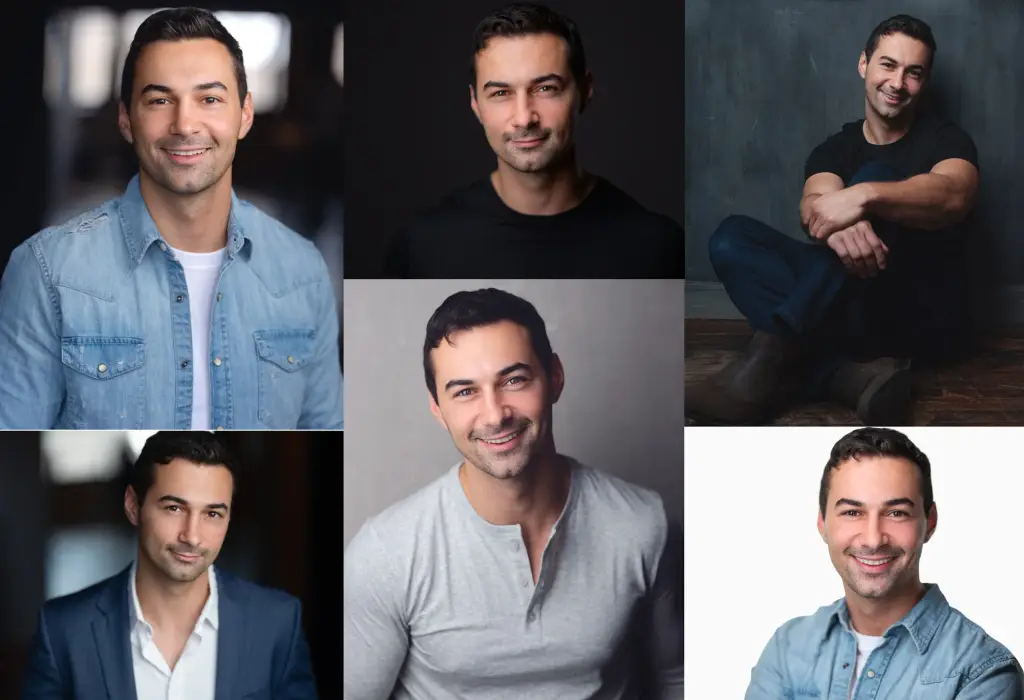
Portfolio grid of six professional model headshots by 312 Elements showcasing diverse styling options for male models in Chicago

CHICAGO
MODEL
HEADSHOTS

Chicago model headshots and digitals for agency submissions and comp cards — clean, current, and photographed to the standards agencies actually ask for.

GET PRICING

Chicago model headshots are agency-standard portraits used for submissions, digitals, comp cards, and portfolio building. Michael Schacht is a Chicago model photographer who has photographed models from Ford, Select, 10 Management, Factor Chosen, and ONE Management, and his images appear on their websites, on comp cards, and in print. He makes time for at least one agency test shoot every week. The session fee is $500 and covers the directed shoot and a private online gallery; images are $250 each, retouched and licensed. Michael has photographed 10,000+ people over 17 years (since 2009) across Chicago's model, actor, and creative communities.

See pricing and book a session at model headshot pricing and booking.

What Chicago modeling agencies want to see in your headshots
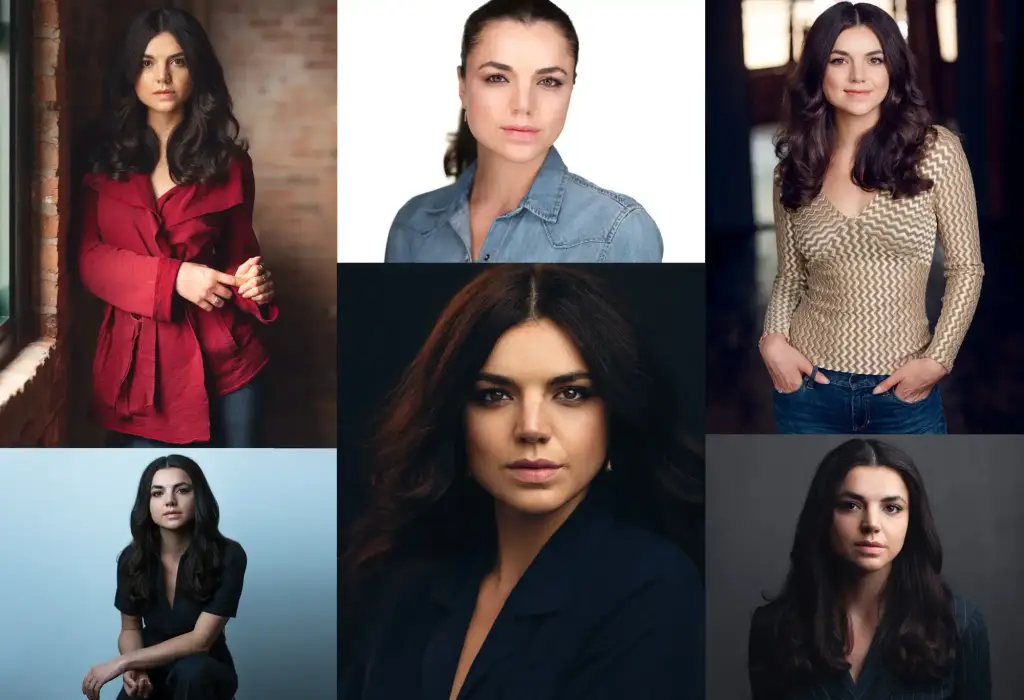
Brunette female model comp card headshot photographed with professional studio lighting, by 312 Elements Headshot Photography, Chicago, IL
The most common reason Chicago agencies reject a model's submission is over-retouched photos that don't accurately represent the model. Here's the thing that trips up almost everybody, me included the first time I shot for an agency board: you walk in wanting the single most impressive photo of your life, and the agency wants almost the opposite. Screeners look at hundreds of submissions a week, and over-produced images work against you. Heavy retouching, moody lighting, trend filters, they all read as something to hide, and a screener's entire job is spotting what's being hidden. The frame that actually works is almost aggressively simple: clean light, minimal makeup, hair off the face, and a direct, unbothered connection to the lens. It feels like too little when you're standing there in front of the camera. It is exactly enough. So I build the session around that hierarchy instead of around what looks cool on a feed. The clean beauty headshot and your digitals come first, photographed to the standards Chicago and national agencies actually list on their own submission pages, because those pages are right there and there's no reason to guess at what they want. Digitals especially have to stay honest: simple, unretouched, the real you on the day, because that is the whole point of them and a screener can tell in a heartbeat when one has been doctored. Then, once the submission-safe frames are in the bag, I build the styled looks that give your comp card range, commercial warmth on one card and editorial edge on another, without ever tipping over into costume. And if you're between agencies or building independently, the set gets composed to work everywhere it has to live at once: agency submissions, casting platforms, and your own socials. One booking, the whole working kit, nothing you'll have to quietly apologize for six months from now. Recent Chicago headshots include WME-represented DJ and model Cole Knight, commercial model Willow Faygenholtz, and actress-model Whitney Masters.

Model headshots for every type of modeling in Chicago

Modeling isn't one job, and the comp card that books you in one lane can quietly count against you in another. The clean beauty frame agencies screen by stays constant, but the styled looks you build around it should match the work you actually want. Here is how I think about the main lanes.

Fashion & Editorial Modeling

This is the lane most people picture first: magazine spreads, runway, designer campaigns. The read is bone structure and proportion with the styling pulled almost all the way back, because editorial wants a canvas more than a personality. Strong, simple, a little cool. If you're built for it the camera tends to tell you fast, and the comp card should let your features do the talking without a lot of noise around them.

Commercial & Lifestyle Modeling

Far more of the actual paying work lives here: the relatable, approachable face in an ad, a lifestyle campaign, a brand's website. The read flips from editorial cool to genuine warmth, the kind of smile that looks like it happened on its own. This is where a lot of people who got told they weren't tall enough for fashion go on to work steadily for years.

Catalog & E-commerce Modeling

The quiet workhorse of the industry. Clothing catalogs and online shops need clean, well-lit, honest images that sell the garment instead of a mood, and they shoot constantly. The requirements are friendlier than fashion, the day rates are steady, and the read is simple and trustworthy. Your comp card should prove you can stand in good light, fit the clothes, and look like a real person someone would actually buy from.

Fitness & Athletic Modeling

Supplements, gym brands, athletic wear, and equipment all hire here, and height matters far less than condition. The read is energy and definition without tipping into intimidating, because most of this work is selling aspiration to regular people. The comp card has to show the physique honestly and still keep a face that reads approachable, which is a harder balance than it sounds.

Plus-Size & Curve Modeling

Many agencies represent curve models alongside their main board, and fashion, e-commerce, and commercial clients book them for the same kinds of work everyone else does. My workflow is the same as for any model: clean beauty frame and digitals first, then styled looks. The read is the same honesty every lane asks for: proportion shown clearly, clothes that fit rather than hide, and a face that carries confidence instead of apology. The comp card has to prove you can sell clothes cut for real bodies, so I light and pose for shape and fit rather than burying you in drapes and shadow.

Parts Modeling

Hands, feet, hair, sometimes a smile for a dental ad. A surprisingly real and well-paid lane that rarely shows your whole face, where the product is one specific, well-kept feature. If this is your work, the kit is different, and I shoot for it on purpose rather than hoping a normal headshot happens to show your hands well.

New Faces & Digitals

If you're just starting out, this is you, and honestly it's the lane I most want to protect you in. Agencies want clean digitals and an honest beauty shot, full stop, not an expensive portfolio book. The read is simply the truth about what you look like today, lit well. Get signed first, build the fancy comp card second. Anyone telling a brand-new model to spend thousands before representation is selling you something.

How model headshot sessions work

  1. 1

    Submission targets

    A pre-session conversation about where the images are going — agency submissions, comp card refresh, casting platforms, or portfolio building — because each has different conventions. Prep guidance covers skin, hair, and what to bring.

  2. 2

    The session

    Clean beauty frames and digitals first, then styled looks. There's no time limit: the session runs as long as it takes to get what you need. Direction throughout — angles, posture, expression — with on-screen review so you see the set building in real time.

  3. 3

    Gallery and selection

    Before the session ends, we sit down and review the images together. You mark your favorites, and if anything's missing, we keep shooting. Your private online gallery is up within 24 hours. You choose the images you want, and I retouch them keeping skin texture, because agencies want skin, not porcelain.

What Chicago talent says

I wanted to expand into commercial print and on-camera work, which required a completely different set of images. Previous photographers had a tendency to push everything toward a dramatic or cinematic aesthetic regardless of what I asked for. The images I have now are warm, versatile, and speak directly to the commercial casting world.

JR

James R.

Actor & Commercial Talent

There's a very specific visual language most photographers don't understand — I've seen too many portraits that look like LinkedIn shots in formal wear. What I walked away with was something sophisticated and contemporary, exactly right for my artist biography and the project I was involved in.

EV

Elena V.

Principal Cellist

My new agent was clear that my current images weren't right for where they intended to submit me, and I needed someone genuinely at the top of their game. After a decade of professional work I know what I'm looking at, and the level of skill on display in this session is real.

VS

Veronica S.

Actor

Read more in my full collection of client reviews.

What's included in a model headshot session

  • A directed shoot with no time limit. Most people run out of steam around 90 minutes, experienced models go to about 150, and no session has ever passed two and a half hours
  • Clean beauty headshot and digitals photographed to agency submission standards, with any framing (full-length, three-quarter, profile) on request
  • Styled looks for comp cards — commercial and editorial range in one session, on backgrounds chosen to suit the wardrobe: natural vignettes around the open-floorplan loft, hand-painted backdrops, or studio paper
  • A private online gallery of usually 300 to 600 frames. Choose every image you'll need from it, because the gallery doesn't stay open for later purchases
  • Every image you buy retouched (minimal, honest, skin texture kept), licensed for promotional use, and ready 7 days after you make your selections, in web and high-resolution print files formatted for submissions, comp cards, casting platforms, and socials
  • A private changing room (the studio's full bathroom) and a steamer for wardrobe

How much do model headshots cost in Chicago?

Model headshots with me cost a $500 session fee plus $250 for each image you choose. The session fee covers the directed shoot and a private online gallery, and every image you buy comes retouched and licensed. You pay only for the frames you'll actually use. How many images you need depends on where you are. A new face submitting to agencies usually needs one strong beauty headshot, so a first booking is typically the session plus one or two images: $750 to $1,000. A working model refreshing a comp card needs the beauty shot plus three to five styled looks, which puts the total between $1,500 and $2,000. Your digitals are shot in the same session, but they aren't sold at the $250 per-image rate; pricing for digitals is available upon request. Every session is bespoke, so everything is à la carte. A hair and makeup artist is available for $300, covering a full face of makeup and hair touch-ups. Rush retouching turns images around in 24 hours for $100 per image. A session on location anywhere within Chicago city limits adds $500. Deposits reserve your session time. Full details are on the pricing page. Chicago prices for modeling photos range widely, from quick digitals-only sessions to full-day portfolio shoots. The number that matters is cost per usable image: a cheap session that produces frames a screener discards costs more than one that produces two images you submit for years.

Model digitals and polaroids: what agencies ask for

Digitals, also called polaroids, are the plainest photos a model will ever submit and often the most important. Agencies, casting directors, and clients use them to check what you look like today, with nothing in the way: no styling, no heavy makeup, no retouching. Most Chicago agencies ask for them with every new submission and again whenever your look changes, whether that's a haircut, a color change, or a change in weight or fitness. In my sessions, digitals come right after the clean beauty frame and before any styled look, while your skin, hair, and energy are still fresh.

The frames in a complete digitals set

A standard set shows you from every angle an agent needs to judge proportion and features: a full-length frame facing the camera, full-length profiles from each side, a three-quarter-length frame, a straight-on face shot, a face shot in profile, and both a neutral and a smiling version of the face. Some boards also ask for a back view or a swimwear set. Check each agency's submission page before the session, and I'll shoot to that agency's list; any other framing you need is available on request. Posing stays deliberately simple: arms relaxed, weight even, chin level. The point is to show structure, not attitude. That feels strange if you're used to working a camera, and it's exactly what the agent needs to see.

What to wear and how to arrive for digitals

Women: a fitted tank or camisole with slim jeans, plus a simple one-piece or bikini if the agency asks for swim, with plain heels or bare feet. Men: a fitted tank or tee with slim jeans, and shirtless frames if the board requests them. Everyone: solid neutral colors, no logos, no jewelry beyond small studs, and nothing that changes your silhouette. Bring clothes folded, not pressed. Arrive with clean skin and clean, dry hair. Makeup, if you wear any, should be invisible. Hair should sit off the face so your jawline and hairline read clearly. If you've just changed your hair color or cut, tell your agent before the session, because digitals have to match the person who walks into the casting.

Model testing in Chicago: how agency test shoots work

Model testing is a photo shoot set up to build a model's book and show an agency how that person photographs. Chicago agencies send new and developing faces to photographers they trust, and a good test produces a handful of frames strong enough for the agency's website and the model's comp card. Agency tests are situational, and they're separate from my own personal projects, which I also take on case by case to build my portfolio.

What happens at a model test shoot

A test starts with what the agency needs to see from this model and what's missing from the book. Who supplies hair, makeup, and wardrobe depends on who's paying: on agency-paid tests, the agency brings its own hair and makeup artist. On set I direct the way I do in any session: clean frames first, then the looks that answer the brief. Many of my tests happen on sets I've built to tell one specific story, and those sets are a big part of why agency models find the tests worth their time.

Do models get paid for test shoots?

Usually not. A test is an investment in the model's book, not a booking, so nobody earns a day rate. My agency tests are usually paid by the agency, which covers the photographer's fee in exchange for usable images. Other tests are collaborative, with the photographer, model, and creative team trading time for images (often called TFP, time for prints). If you're ever asked to pay for a test yourself, it only makes sense when the images are ones your agency will actually put on your card and your page.

Model testing versus a model headshot session

A test answers an agency's question about a model. A model headshot session answers yours. If you're unsigned, or signed and need your beauty shot, digitals, and comp card looks on your own schedule, book a session; the costs are laid out above. Agents who want to set up a test can reach me directly at 312-546-3582 or michael@312elements.com.

How to choose a model photographer in Chicago

Look at where the photographer's model work actually ends up. Portfolio pages are easy to fill; agency boards are not. The model photographers worth booking in Chicago have images on agency websites and comp cards, shoot digitals to agency standards, retouch lightly, and can hand you references. That's the standard I hold myself to: my model work runs on agency websites and comp cards, and new models and parents can ask me for references from industry professionals before booking. Beyond that, three things separate one model photographer from another: whether they bring a point of view, whether they chase trends, and how they run a set. Here's where I stand on each.

What makes a model's photos look different from everyone else's?

Point of view. Early on I said yes to everything, and most of it meant executing someone else's vision. I burned out, and the worst part was burning out on ideas that weren't mine. What the work was missing was a point of view, so I started producing my own projects where I got to be the creative director. That changed the work, because I'm willing to do things other photographers won't, and a lot of that is building sets. Cameras, lights, and modifiers are available to anyone who rents a studio. So are models. A set built to tell one specific story is like having characters nobody else can cast. I work with agency models every week on paid jobs, personal projects, and tests I choose myself, and the sets are a big part of why those tests are worth their time.

Should your photos follow whatever agencies want this season?

Not if the trend is doing the work instead of the model. My taste comes from studying the masters, painters and photographers both, and that taste is what sets my work apart. Bookers chase trends, and some have been openly frustrated that I won't. The clearest example was the on-camera flash era, when Terry Richardson was at his peak. Big brands hired him for that look, and agencies wanted their rosters shot the same way so their models would read as ready for those jobs. I never liked it. It looked like bad event photography to me, and the flat light was never what made those pictures work. I never switched, and like most trends, it went away.

How do you keep models safe on set?

I'm a middle-aged straight man who photographs fashion, and I take that seriously. This industry has predators in it, and I go out of my way to make my studio the opposite. Deliverables are agreed up front, so nobody walks away feeling taken advantage of. In the weeks before a session you and I build a vision board together, so makeup and wardrobe expectations are clear and nothing on the day is a surprise. I encourage every model and client to bring a friend, and the studio has a dedicated full restroom, so changing happens in real privacy. New models and parents get a list of references from industry professionals I've worked with. And with younger talent, I push back on provocative shoots every time. They aren't what's best for a young career.

Is Chicago a good place to start modeling?

Yes, for most people who want to work, and especially in commercial, lifestyle, catalog, e-commerce, and fitness modeling. Chicago isn't the high-fashion capital that New York or Paris is, but the brands, retailers, and ad agencies here need real, relatable faces constantly, and that everyday work is where most working models earn a living. The practical steps for getting signed are in the FAQ below. The models who last are the ones who kept their first submissions simple and honest.

Built for working talent

17 years
photographing models, actors, and performers in Chicago
10,000+ people
photographed — new faces to established working talent
$500
session fee, with individual images at $250 each
24 hours
delivery for your private online gallery

Frequently asked questions about model headshots

How much do modeling headshots cost?

In Chicago, expect $150–$800+ depending on what's included. Here it's a $500 session fee plus $250 per image; the cost section above breaks down what a new face and a working model typically spend.

What type of headshots do models need?

Three layers: a clean beauty headshot for agency screening, unretouched digitals showing your current look, and comp card images with three to five styled looks showing range. New faces need the first two; working models maintain all three.

What are digitals in modeling?

Digitals (or polaroids) are simple, unretouched photos that show agencies exactly what you look like right now. Most agencies request them with every submission, and they need a refresh whenever your look changes. The full frame list and what to wear are in the digitals section above.

Should model headshots be retouched?

Minimally. Agencies want to see real skin texture — heavy retouching reads as concealment and gets submissions discarded. Retouching here removes temporary blemishes and stray hairs while leaving texture, freckles, and the features that make you castable.

What should I wear for model headshots?

For the beauty frame and digitals, follow the digitals wardrobe list above. For comp card looks, bring range: one commercial outfit, one editorial, one lifestyle. Prep guidance goes out before every session.

How do I get scouted or signed by a modeling agency in Chicago?

Submit directly through agency websites — every legitimate Chicago agency has open submissions. Send clean digitals and a beauty headshot, your measurements, and basic stats. Be wary of anyone who requires you to buy their photography or classes as a condition of representation; legitimate agencies make money from bookings, not from you.

Do you need professional photos to get signed by a Chicago agency?

Strictly, no. Most reputable agencies accept phone snapshots for a first submission, and they say so on their sites. But the screener deciding in about three seconds is comparing you against clean, well-lit frames, so a professional beauty shot and honest digitals materially improve how your features read. Where professional images become non-negotiable is the working stage: comp cards, casting-platform profiles, and client submissions all run on professional photography.

How much do models get paid in Chicago?

Chicago commercial and print bookings commonly run from a few hundred dollars to several thousand per day depending on usage and client, with fit and e-commerce work providing steadier day rates. Strong, current images directly affect which rate tier you're submitted for — that's the practical case for keeping your kit fresh.

Model headshots vs. actor headshots — what's the difference?

Actor headshots sell a castable type with personality forward; model headshots sell features, proportion, and versatility with styling stripped back. Many Chicago talent work both lanes — sessions can cover the two conventions in one booking. See the actor headshots page for the casting-side details.

Can AI generate modeling photos?

AI-generated images are useless for modeling specifically because the product is your real, verifiable look — agencies request unretouched digitals precisely to see it. A synthetic image that flatters by deviating from reality fails at the one job the photo has.

Explore other Chicago headshot services
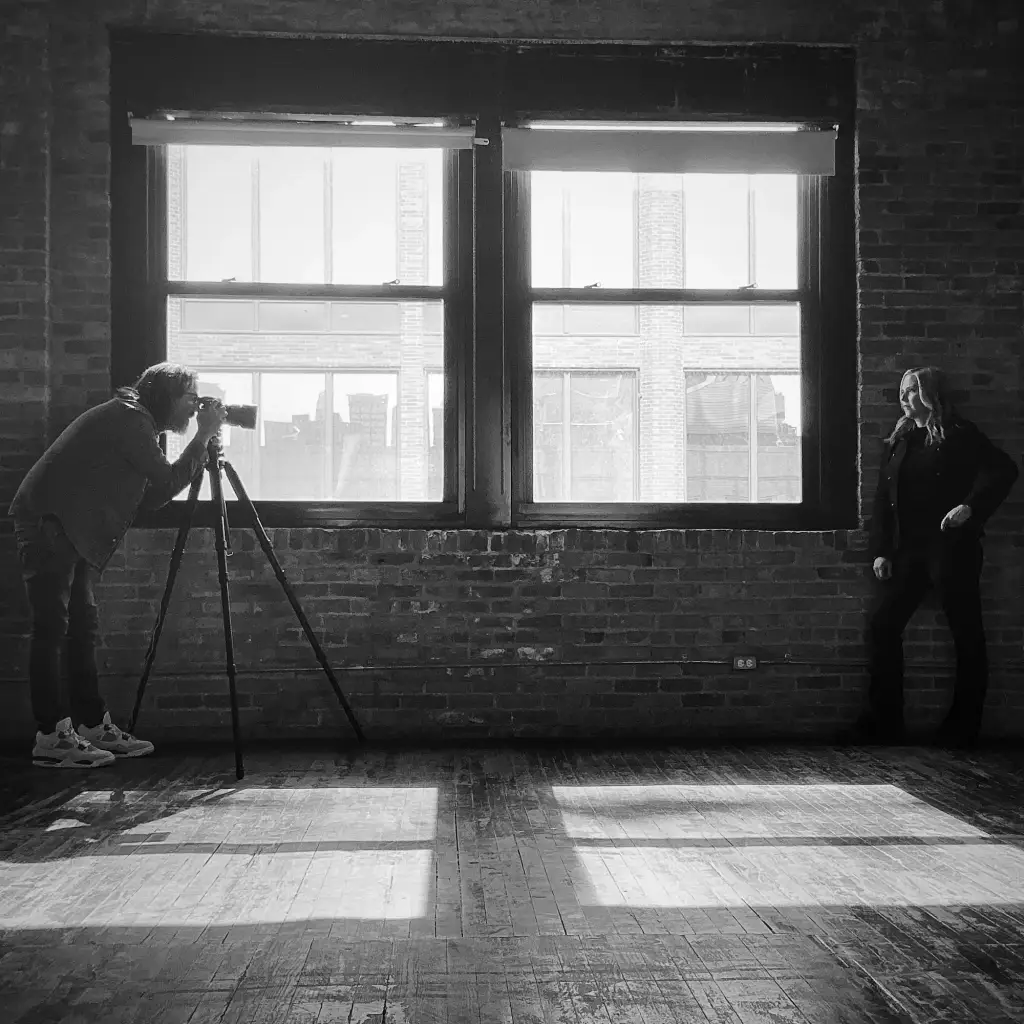
Model headshot by 312 Elements Headshot Photography, Chicago, IL

Ready to build your comp card?

One booking covers your beauty shot, digitals, and comp card looks. See pricing and grab a date.

GET PRICING